1
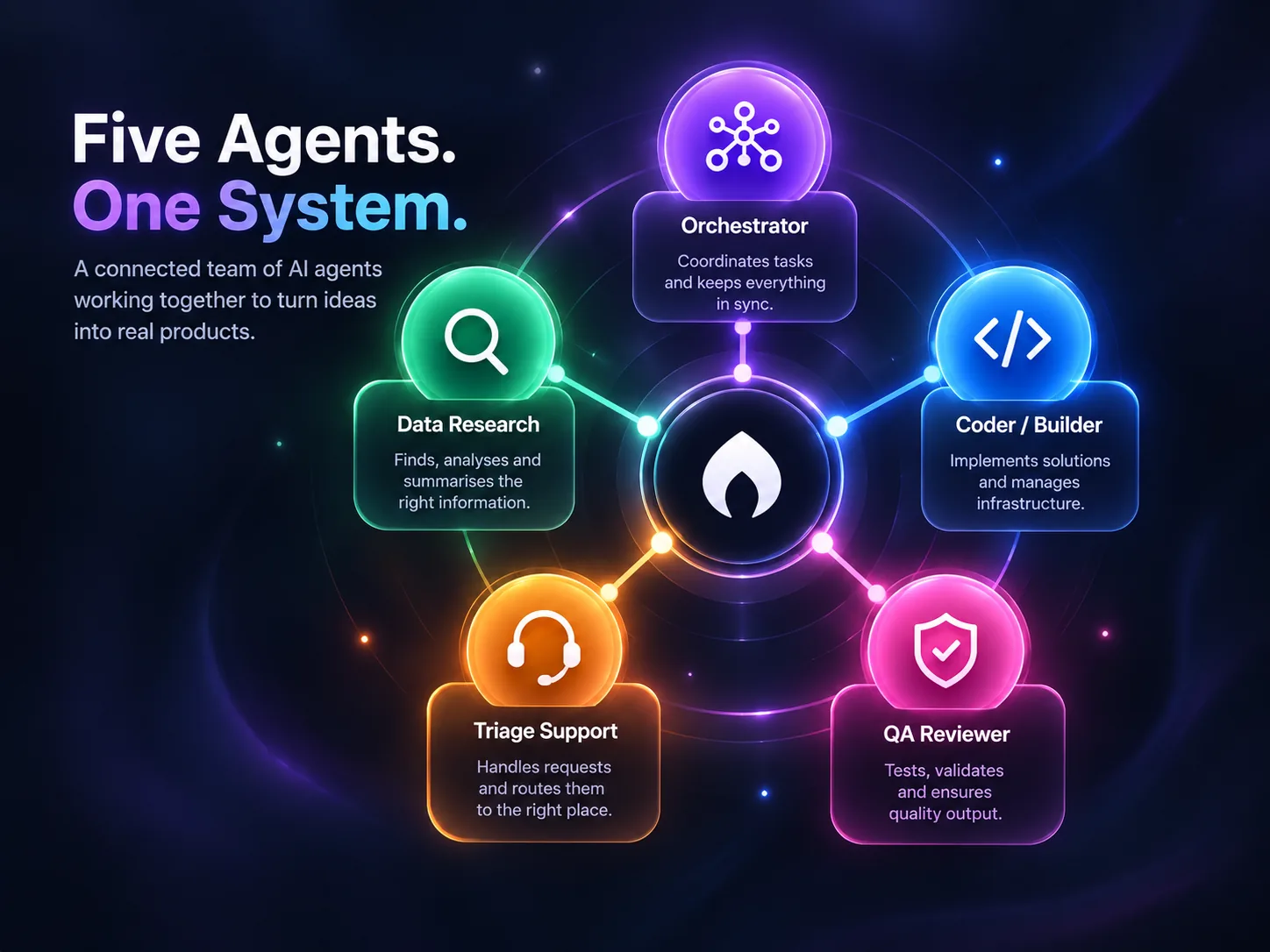
Orchestrator
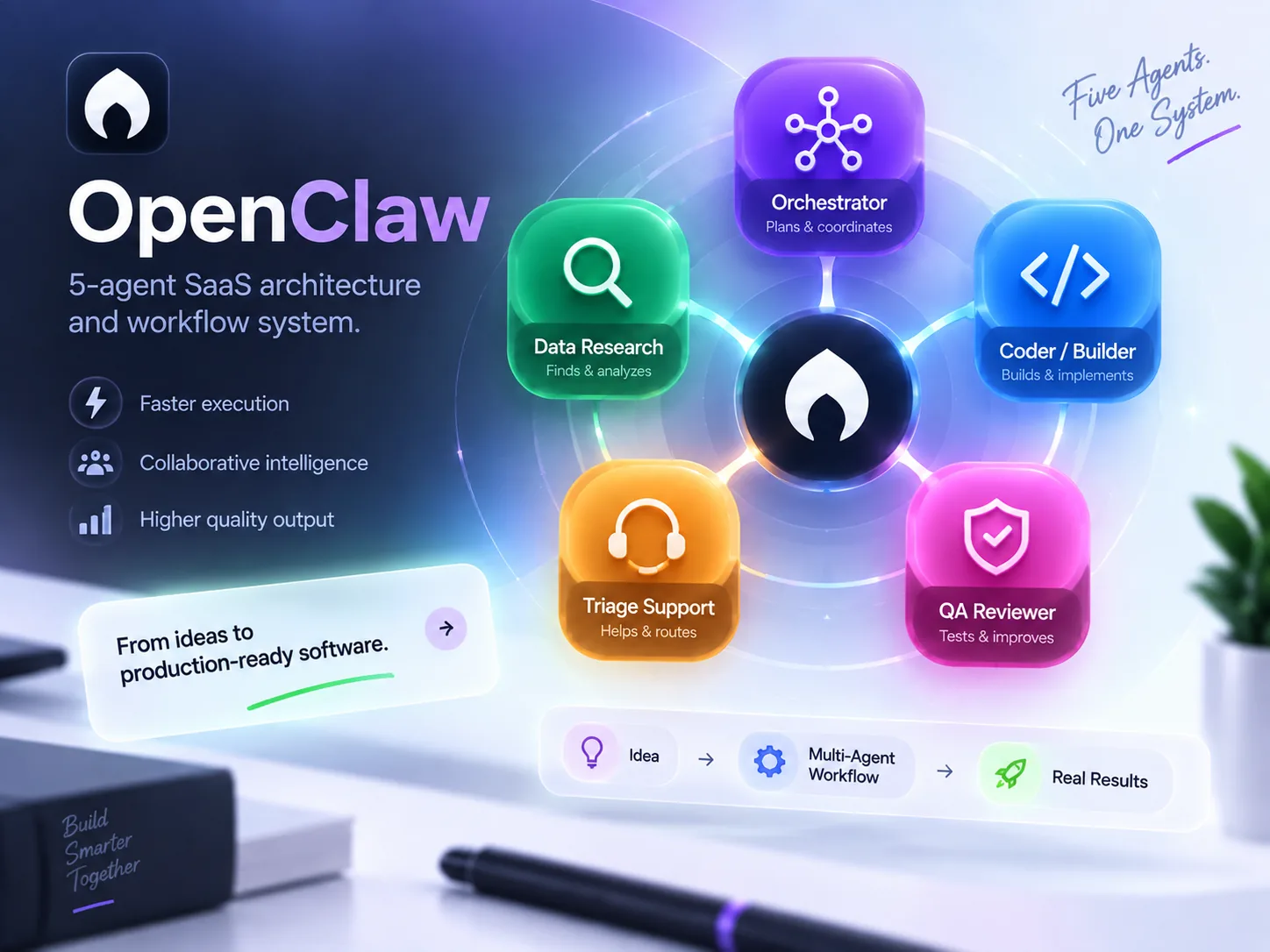
Coordinates the overall task, breaks work into steps, assigns responsibilities, tracks progress, and manages context.
A multi-agent AI workflow concept exploring how specialized assistants could coordinate research, analysis, coding, QA, and support-style tasks through one shared system.
Personal / Portfolio Project
Concept / Prototype
Workflow Concept / SaaS Architecture
AI tools, workflow mapping, Framer/Figma concept visuals
OpenClaw is an AI automation concept built around the idea of a coordinated 5-agent team. Each agent has a specialized role, but the system is designed to work as one connected workflow rather than a group of isolated AI tools. The project explores how AI assistants could support complex product-building work by dividing responsibilities across orchestration, coding, quality review, triage, and data research.
Coordinates the overall task, breaks work into steps, assigns responsibilities, tracks progress, and manages context.
Turns plans into functional code, builds features, manages implementation details, and supports technical execution.
Reviews quality, checks logic, tests outputs, identifies issues, and helps ensure the work is reliable.
Handles issues, user requests, escalation logic, support cases, and operational prioritization.
Finds information, validates facts, gathers references, and feeds useful context back into the workflow.
The approach starts with the idea that complex digital work needs coordination. A single AI assistant can help with individual tasks, but larger workflows need planning, role separation, context sharing, review, and human oversight. OpenClaw maps this into five specialized agents that collaborate through a shared context layer.
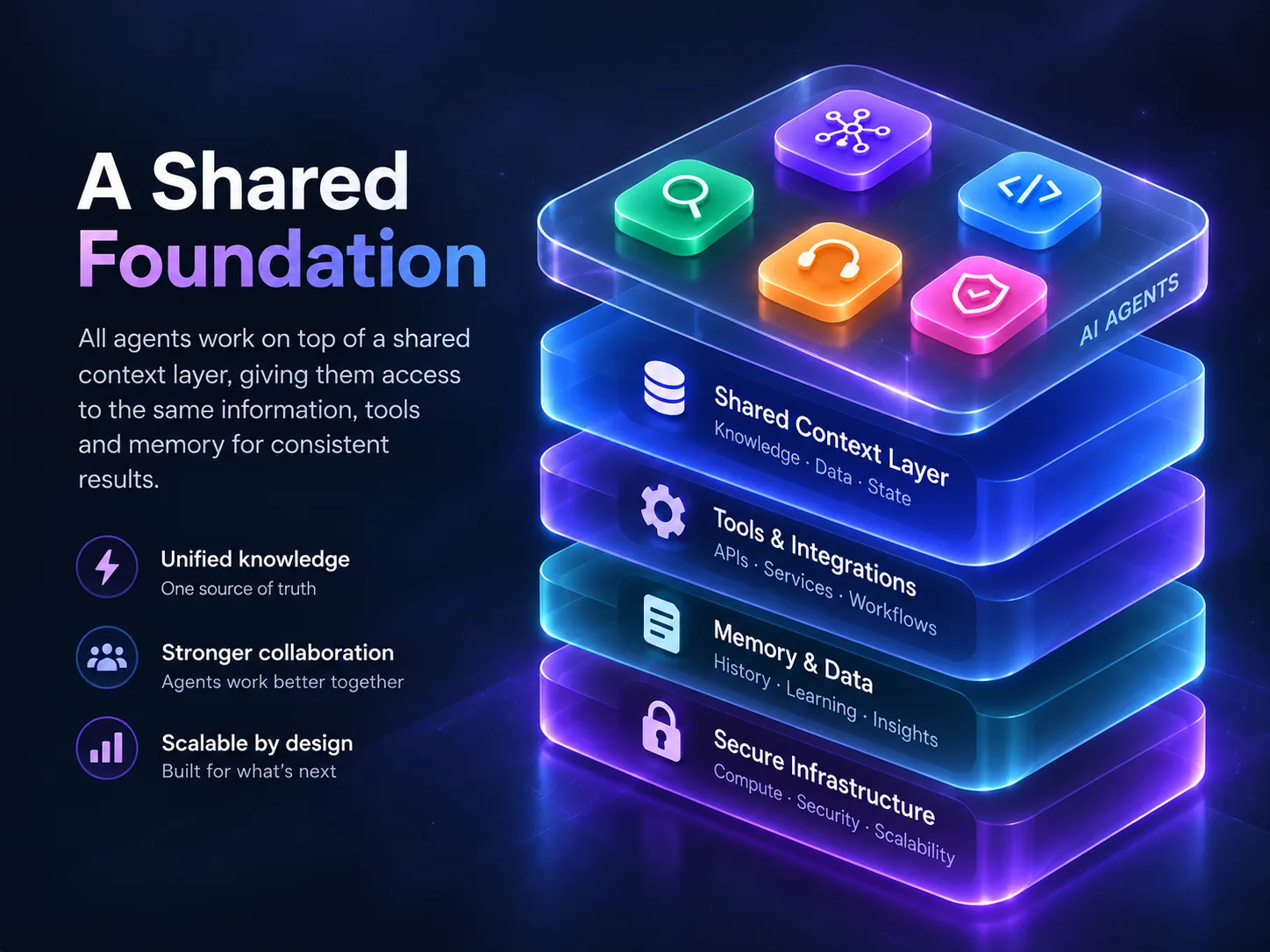
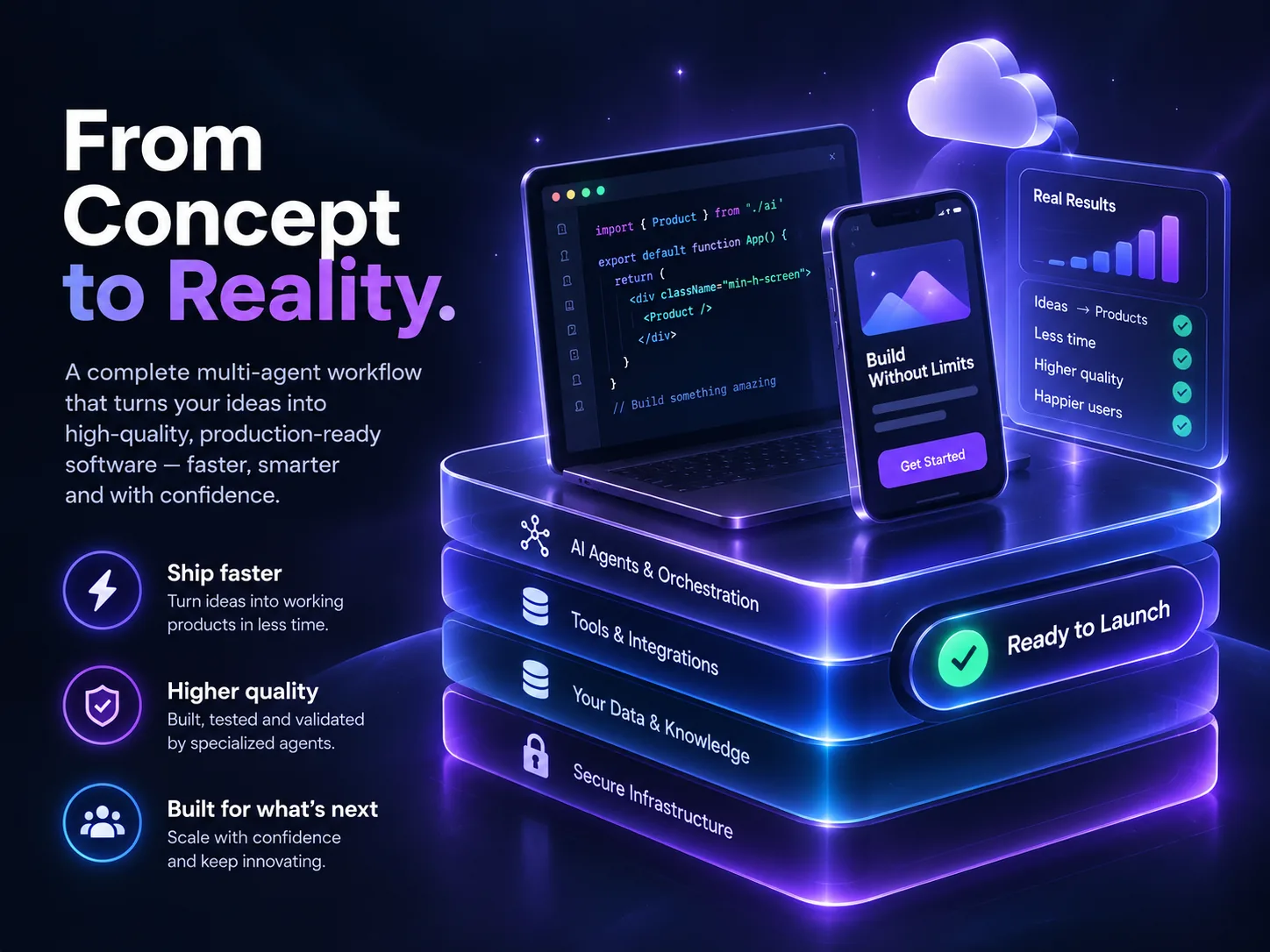
The vision is to make AI-assisted work feel more structured, transparent, and reliable. Instead of asking one assistant to do everything, OpenClaw imagines a team of agents that divide work intelligently and pass context between each other. The innovation is not only the agents themselves, but the architecture around them: orchestration, shared memory, task flow, review stages, and user control.
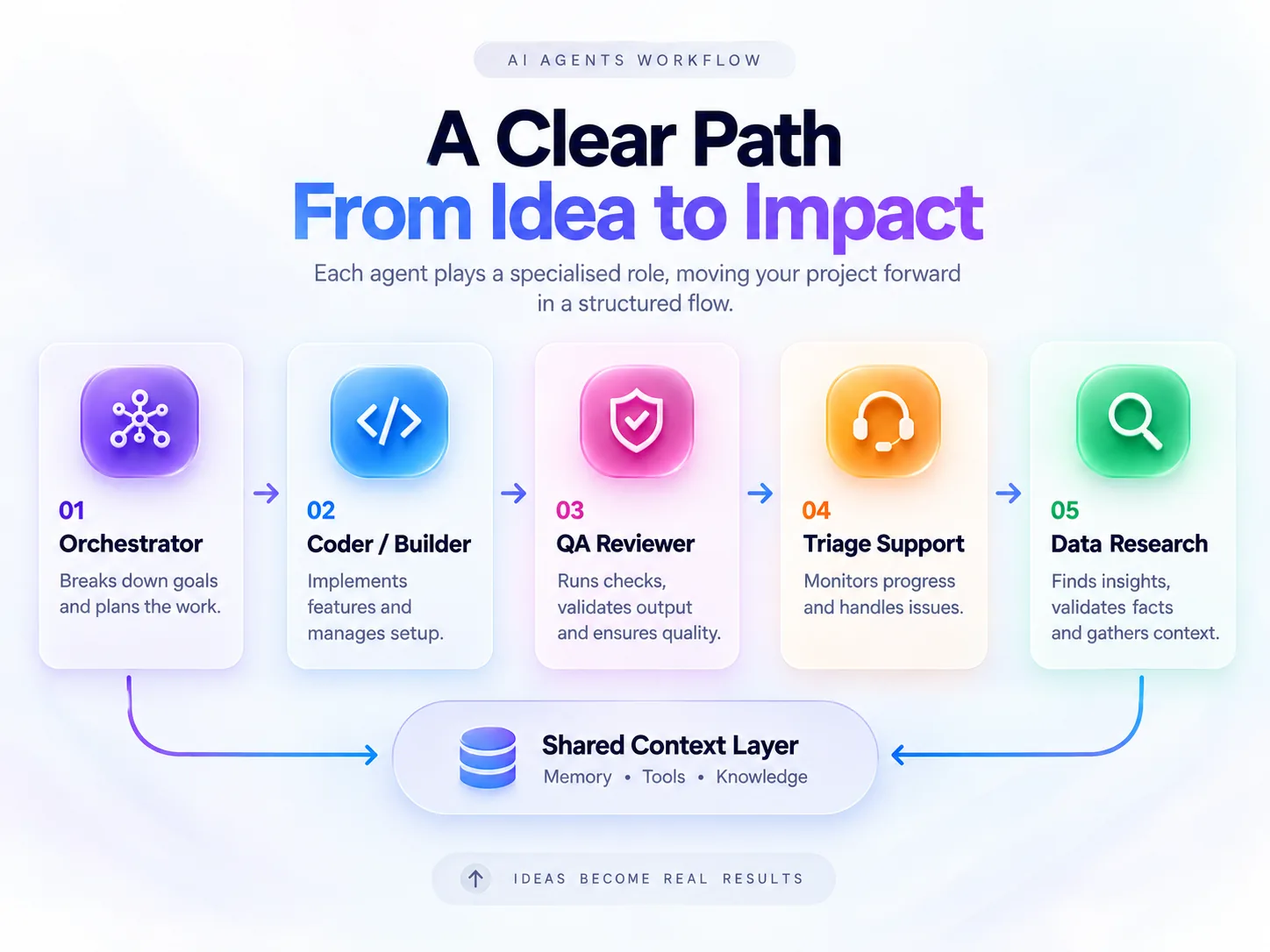
The main challenge is coordination. Multi-agent systems can become confusing if responsibilities overlap, context is lost, or agents make decisions without proper review. Another challenge is trust — users need to understand what the agents are doing, why a decision was made, and where human approval is needed before work moves forward.
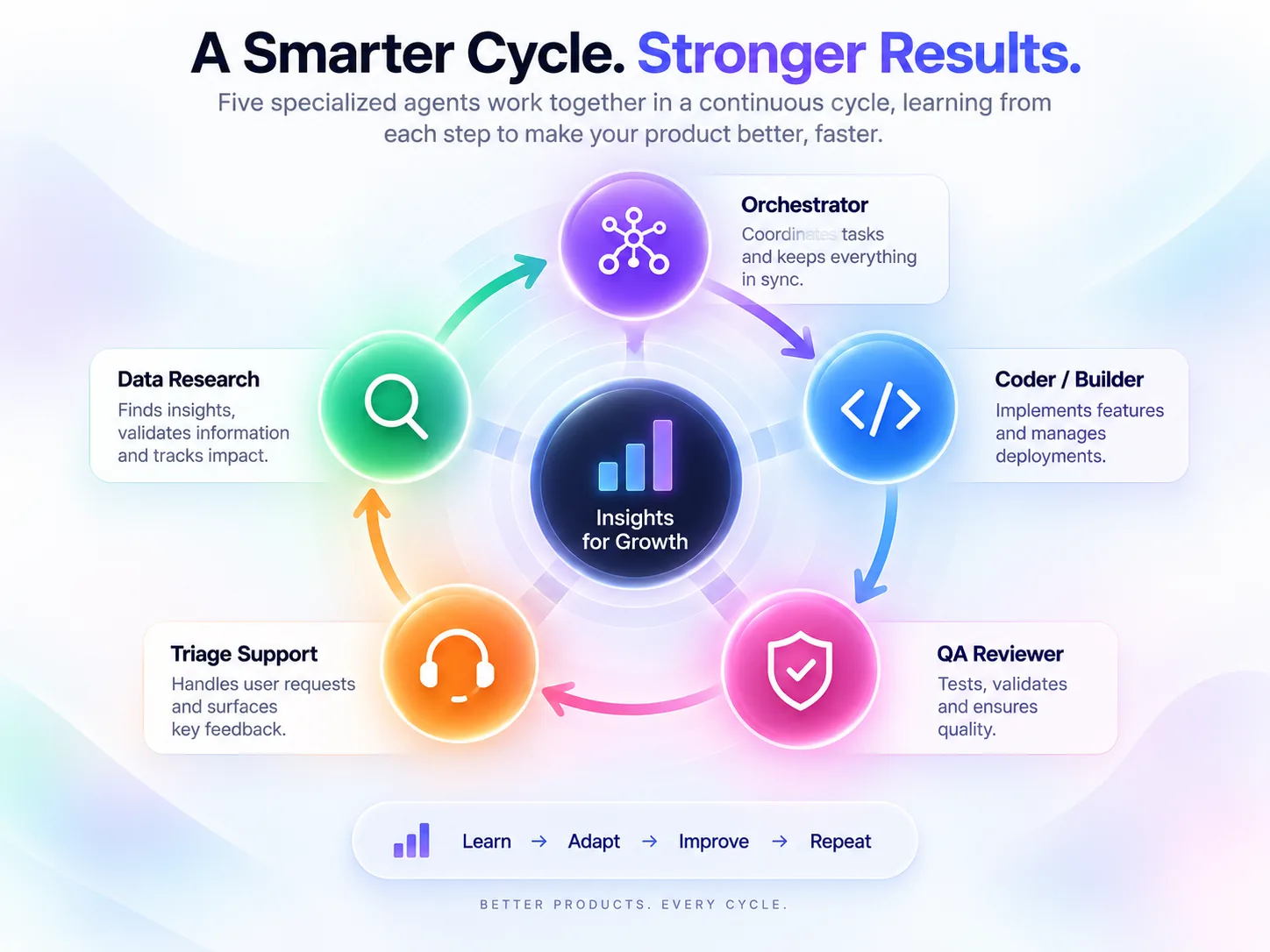
The concept resolves these issues by using clear roles, a shared context layer, structured handoffs, and human-in-the-loop checkpoints. The system is designed so each agent knows its responsibility, while users can still monitor progress and approve important changes. This creates a more controlled and transparent workflow.
OpenClaw is designed to make AI collaboration understandable. The interface should show progress, agent activity, handoffs, review states, and approval options in a way that users can quickly understand. The user should never feel like the system is operating invisibly — the design needs to create confidence by showing what is happening and where the user can step in.
See the full collection of SaaS concepts, workflow systems, and AI automation experiments.